

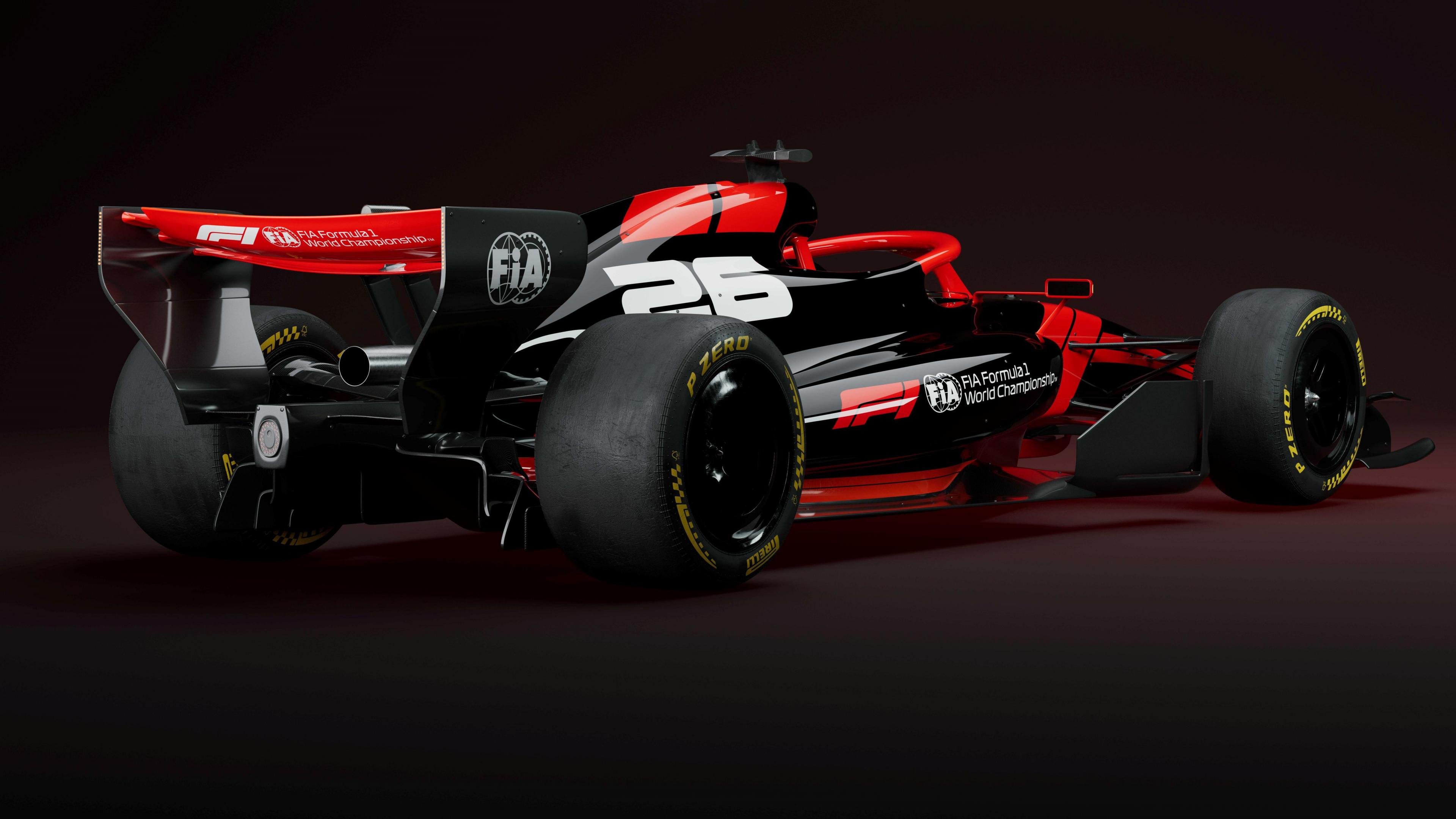
The 2026 Formula 1 cars are designed to be smaller, nimbler and more environmentally friendly relative to present-day cars.
Formula 1 has introduced the simplified language that will be used to reference the advanced features of its new 2026 technical rules.
The championship is implementing what is potentially the largest regulation change in its illustrious history for the 2026 campaign, featuring revised car and engine specifications and the mandatory use of eco-friendly fuels.
The new power units, which maintain the 1.6-litre V6 configuration, boast a significantly increased energy storage, driving major innovations in the aero packages.
During grand prix events, pilots will strategically manage electrical energy – sometimes even qualifying laps – to secure the optimal performance.
Broad surveys were carried out with a wide range of fans, including long-time followers and newcomers, to determine which terminology would aid comprehension of the key features of the upcoming rules.
The key objective was to render a set of intricate technical aspects of the racing as accessible as possible for the widest audience.
Consequently, previous placeholder terms for specific components – such as "alphabetical mode names" for the adjustable aero – have been phased out in favour of intuitive labels that clearly indicate the real-world effect of the technology.
Key Technical Innovations
According to rule-makers that competitors will have more power to choose strategies regarding energy deployment, regeneration, and saving energy.
The 2026 rules mandate a set of functions that will be clearly indicated on television graphics to improve the viewers' comprehension of the on-track action.
- Overtake Mode: This replaces the current DRS. It provides a burst of extra electrical energy available when a driver is less than a second the leading car to execute an overtake.
- Boost Mode: This is a driver-operated energy deployment from the ERS that can be deployed for offensive or defensive moves. It delivers the driver full engine and battery energy at the click of a switch.
Both of these crucial modes will have to be deployed strategically, as the total energy is capped.
- Active Aero: Both the car's wings adjust their angles – flattening on the straights for low aerodynamic resistance and top speed, and sealing in the corners for peak grip.
- Recharge: The system can recharge the energy store with energy harvested under braking, or during throttle lift at the conclusion of a straight or in corners where only partial power is applied.
What's Changing on the Cars?
The next-generation machines will be reduced in size and weight compared to the 2025 spec, with a distance between axles cut by 200mm to 3,400mm, car width cut by 100mm – down to 1,900mm – and the lowest permissible weight reduced by 30kg.
Overall downforce is projected to decrease by approximately 15-30%, although constructors will naturally regain performance as they develop their cars.
Drag has been reduced by 40%. The vehicles will employ adjustable aero systems – front and rear wings will adjust on the straights to improve speed and boost top speed and click back into place for peak handling.
Tyres will keep the current rim size, but the tyres themselves will be slimmer, by a quarter-centimetre on the front and 30mm at the rear.
Power Unit Revolution
The new power units will have an near-equal balance in power produced by the ICE and the ERS, increasing from about 20% electrical in the current formula.
The energy recovery system is simplified through the elimination of the MGU-H, the intricate and expensive unit that generated electricity from the exhaust turbo.
Every car on the grid will be mandated to operate on fully sustainable fuel, produced using plant-based materials or lab-created processes.


